
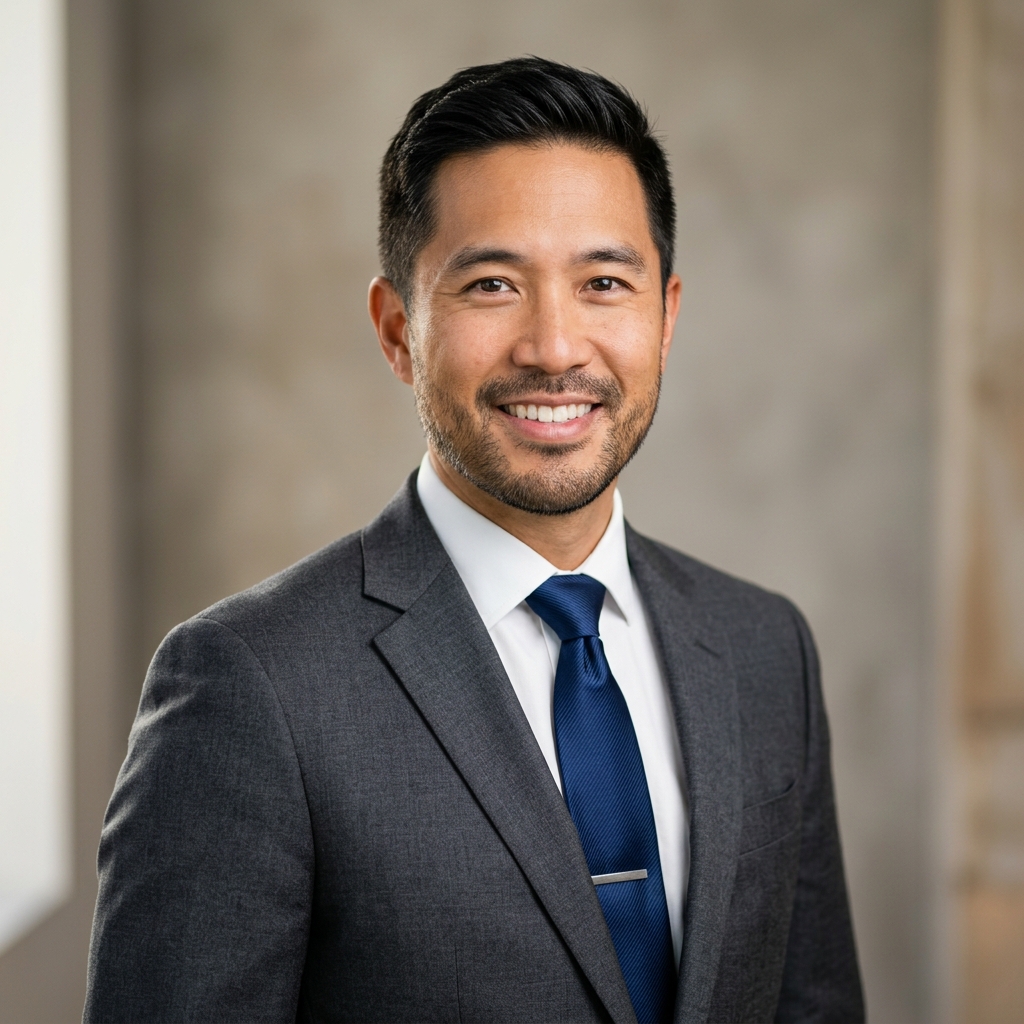
Abdul El-Sayed has secured the Democratic nomination for the U.S. Senate in Michigan, defeating Rep. Haley Stevens in a primary that drew significant national attention. The race, which saw millions of dollars in outside spending, serves as a major indicator of the influence held by the progressive wing of the Democratic Party within a key battleground state.
El-Sayed gained support from figures like Bernie Sanders and Alexandria Ocasio-Cortez, alongside key labor backing from the United Auto Workers. His campaign focused on themes such as healthcare reform and critiques of corporate influence in politics. Despite an establishment push for Stevens, which included an endorsement from Gov. Gretchen Whitmer, El-Sayed maintained his momentum through the final weeks of the contest.
The path to the nomination involved navigating a high-pressure environment. Stevens, a four-term congresswoman, leaned on her ties to party leadership and criticized El-Sayed for what she characterized as an excessive focus on national issues rather than state-specific concerns. The conflict intensified after state Sen. Mallory McMorrow withdrew from the race, creating a direct showdown between the two candidates.
Moving forward, El-Sayed faces former Rep. Mike Rogers in the general election. Rogers captured the Republican nomination without opposition. This November contest remains a priority for both parties as they compete for control of the Senate. With the state's role as a political bellwether, the outcome will have national implications for the balance of power in Washington.
The primary highlighted divisions within the Democratic Party regarding campaign finance and policy priorities. While some voters prioritized the establishment alignment offered by Stevens, others responded to the populist message promoted by El-Sayed. This result suggests that the struggle between party factions continues to shape election outcomes in the industrial Midwest.