
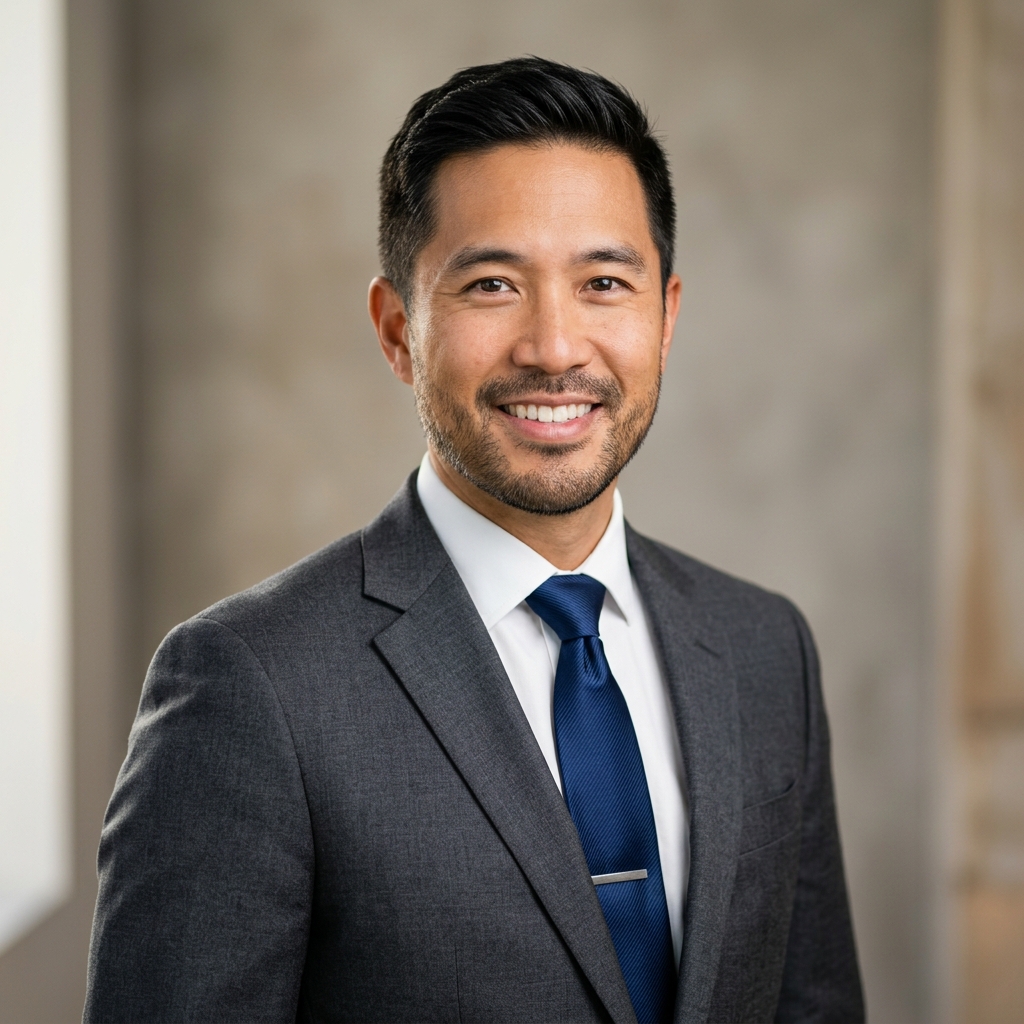
President Donald Trump named Adam Telle as the new acting secretary of the Army this week. The appointment follows the departure of Dan Driscoll, who stepped down on Thursday. Driscoll left the post after a period of intense friction with Defense Secretary Pete Hegseth, a relationship marked by disagreement over military policy and personnel management.
The Path to the Appointment
Telle transitions into this role from his previous position as assistant secretary of the Army for civil works. His appointment comes at a time when the Department of Defense is navigating significant internal personnel shifts. The tension between the secretary of the Army and the defense secretary has been a focal point for observers of the Pentagon for several months. By choosing an internal candidate who is already familiar with the Army's civil works portfolio, the administration moves to fill a leadership vacuum created by the sudden exit of the previous officeholder.
Observers familiar with Pentagon operations note that the relationship between the secretary of the Army and the Office of the Secretary of Defense is central to maintaining stable administration within the military branches. Friction in this chain of command often impacts policy implementation across the service. The departure of Driscoll was not entirely unexpected by those tracking the internal dynamics between the White House and military leadership over the past year. Hegseth has taken a firm hand in Pentagon policy, and administrative disagreements between his office and the service secretaries have surfaced repeatedly.
Implications for the Army
Transitioning leadership during a period of organizational stress brings challenges for the incoming acting secretary. Telle must now navigate complex civil-military relations while maintaining the operational readiness of the Army. The civil works division, which handles projects such as flood control and river navigation, requires a specific set of management skills that differ from typical combat force administration. Telle has handled these duties for some time, making him a known quantity within the building. Still, the transition from managing water infrastructure projects to leading the entire Army hierarchy represents a change in scope.
Legislative oversight of the Pentagon remains intense. Members of Congress have previously signaled their interest in the stability of service leadership. The committee members responsible for armed services will likely look to Telle to provide clarity on how he plans to manage these transitions without further disrupting the work of the service branches. While Telle is an acting appointee, his tenure will be measured by how well he calms internal divisions that characterized his predecessor's term.
Broader Industry Context
This shift reflects a wider pattern of personnel turnover within the current administration's defense apparatus. High-level changes at the Pentagon often signal deeper ideological or strategic shifts intended by the Executive branch. As the administration continues to reshape the leadership of the various military departments, the focus for the military services will be on maintaining mission continuity. Watchers of the Pentagon should monitor whether Telle receives a permanent nomination or if the role remains in acting status for an extended period. The broader picture is that these appointments are part of a continuous effort to align military management more closely with the strategic priorities of the sitting president. Future personnel decisions will show whether this path continues or if the administration looks to adjust its approach to the defense bureaucracy.