
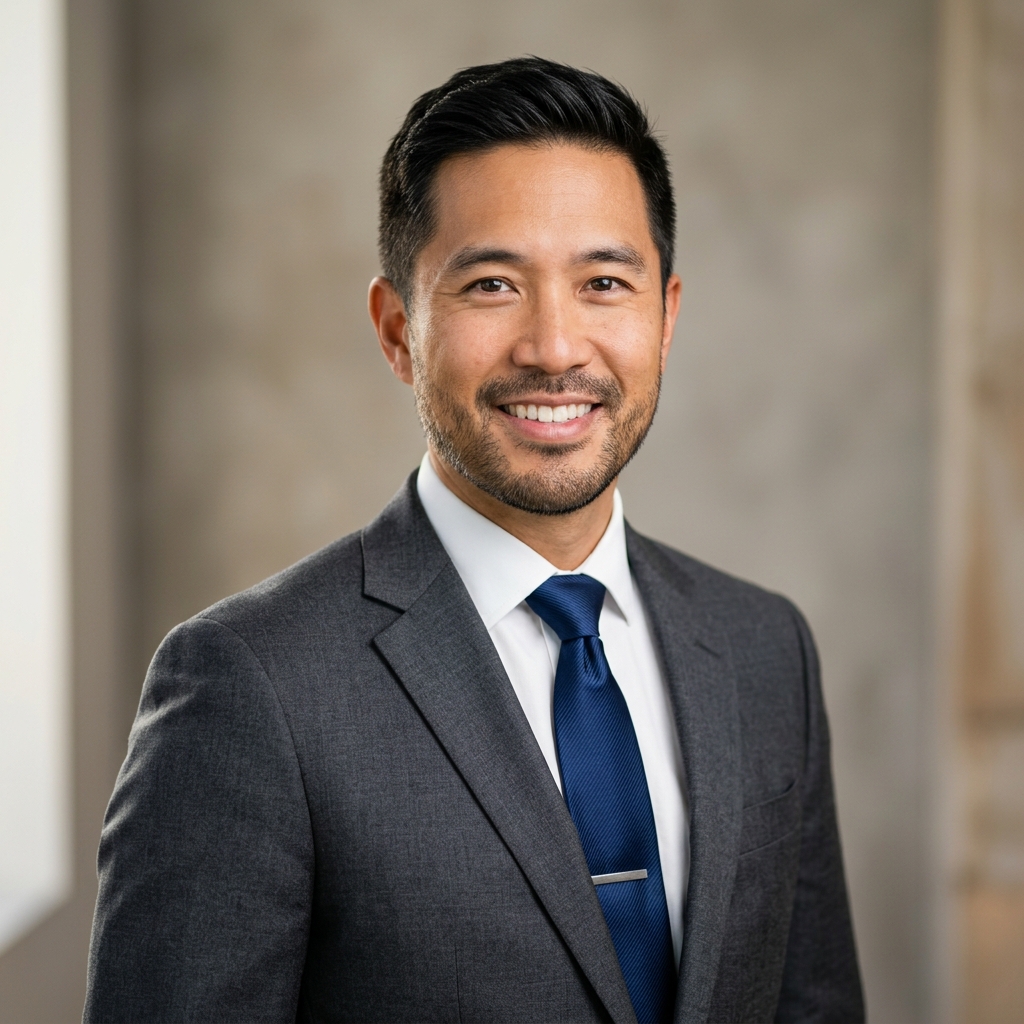
Leadership Crisis Hits Pentagon After Army Secretary Resigns
Army Secretary Daniel Driscoll stepped down from his position on August 31, 2026, marking the end of an 18-month tenure defined by internal friction with Pentagon chief Pete Hegseth. The departure leaves a key vacancy at the top of the service branch during a period when thousands of U.S. troops are deployed across the Middle East. No specific reason for the resignation was released publicly, though White House spokesperson Anna Kelly described Driscoll as effective in his focus on military readiness and lethality.
Legislators are expressing alarm at the state of the military hierarchy following this exit. Senator Jack Reed, the ranking member of the Senate armed services committee, stated that Hegseth is responsible for harm within the Department of Defense. Reed pointed to the removal of senior officers and the obstruction of promotions as evidence of a shift in culture where personal allegiance to the Pentagon chief is prioritized over professional competence. General Randy George, the former Army Chief of Staff, is among those forced out under Hegseth’s direction.
Internal Clashes and Structural Changes
The tension between Driscoll and Hegseth became visible in April 2026 when Hegseth dismissed General Randy George. The move dismantled the Army transformation initiative, a project aimed at modernizing the force for drone warfare and faster weapons procurement based on observations from the war in Ukraine. Since George’s removal, the Army has redirected drone units back to traditional infantry roles. Multiple sources confirmed that Driscoll raised these issues regarding readiness and personnel management during his final discussions with President Trump.
Representative Jason Crow, a member of the House armed services committee, warned that the department now appears rudderless in key areas. He noted that the absence of leadership at senior levels across both uniform and civilian offices poses a significant risk. Reports indicate that Sean Parnell, a spokesperson for Hegseth, is being considered as a potential replacement for Driscoll. This possible appointment draws further scrutiny from those concerned about the politicization of military appointments.
Broader Implications for National Security
Driscoll served as a negotiator in talks to end the conflict in Russia and Ukraine, an experience that added to his profile as a pragmatic civilian leader. His resignation follows a pattern of departures that includes high-ranking figures such as Navy Secretary John Phelan and Admiral Alvin Holsey of Southern Command. The systemic removal of these leaders suggests a permanent shift in how the Pentagon evaluates command-level performance.
Observers are looking closely at how the administration addresses these gaps. The rapid pace of high-level resignations creates instability that complicates long-term defense planning. As military officials manage ongoing international deployments, the priority for the next appointee remains uncertain. The situation highlights a growing divide between traditional institutional stability and the current political direction mandated by the Pentagon’s senior civilian leadership.