
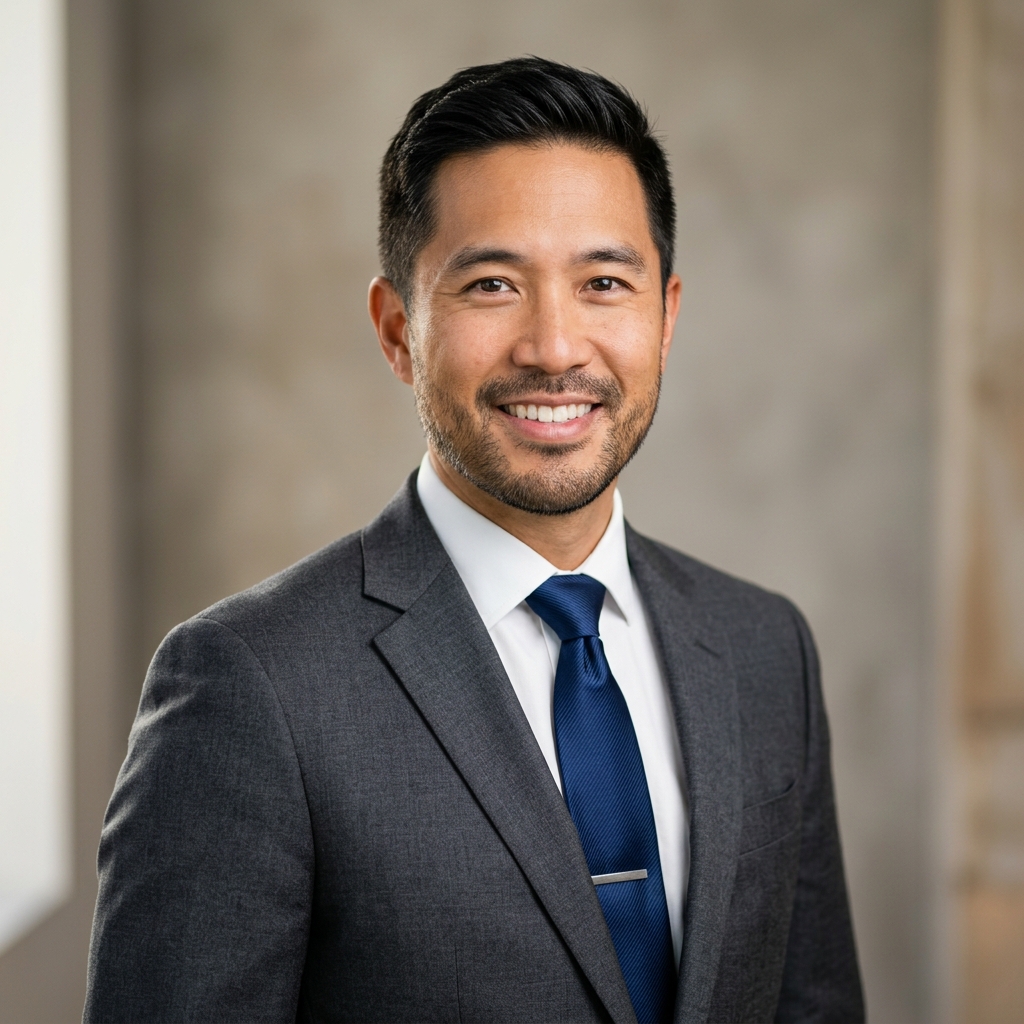
Election Results in South Carolina
Sen. Darline Graham secured the Republican nomination for the U.S. Senate in South Carolina Tuesday night. She defeated Rep. Ralph Norman in a primary runoff that drew national attention due to the direct intervention of President Donald Trump. With nearly all votes counted, Graham held 52% of the vote compared to Norman’s 48%. The win validates a high-stakes effort by the president to install a loyalist in the seat previously held by the late Sen. Lindsey Graham.
Graham entered the race shortly after her brother died in July. Gov. Henry McMaster appointed her to fill the remaining months of his term, providing her an initial platform. Despite her lack of prior elected office, she navigated a crowded field to reach this runoff. She now moves to the general election where she faces Democratic nominee Annie Andrews. Given South Carolina's voting history, Graham is the heavy favorite to win the full six-year term in November.
Trump’s Influence and the Campaign
President Trump exerted significant effort to ensure Graham's victory. He traveled to Myrtle Beach for an in-person rally and conducted a tele-rally to reach voters across the state. A pro-Trump super PAC contributed $830,000 in the final days of the campaign to bolster her standing. Trump openly framed the election as a way to honor the late senator while securing a reliable ally in the upper chamber.
Rep. Ralph Norman ran a campaign rooted in his decade of congressional experience. He struggled to match the momentum generated by the presidential endorsement. In his remarks after the results became clear, Norman expressed frustration with the national party’s involvement. He stated he never fully understood the need for the president to engage in this specific race. Still, he promised to accept the outcome and acknowledged the party's desire for a different path.
Challenges and Future Outlook
Critics raised concerns about Graham’s experience throughout the contest. During a televised debate against Norman, she faced intense scrutiny for stating she was not informed on national security matters. When asked about potential conflicts in Taiwan and the South China Sea, she admitted, "National security is not my thing." This answer created friction, as her late brother was a prominent voice on military affairs for decades.
Supporters argued her focus on domestic policy and affordability aligns better with the current priorities of the state. She campaigned on a promise to continue her brother's legislative legacy while maintaining a strictly pro-Trump voting record. The campaign focused heavily on her personal history as the daughter of a bar owner, a narrative shared by her brother during his own career.
The primary highlighted a divide within the state’s conservative ranks. Norman, a member of the House Freedom Caucus, gathered support from figures like former Rep. Mark Meadows and former Gov. Mark Sanford. Conversely, Graham secured backing from Sen. Tim Scott and Gov. McMaster. The final margin of victory in key counties like Horry County suggests that the president’s late rally and localized efforts succeeded in shifting turnout in her favor.
South Carolina voters have now set the stage for the fall. Graham must transition from a primary fight focused on loyalty to a general election contest. The focus will now shift to how she handles broader policy questions beyond her brother’s shadow. The state remains a stronghold for the Republican Party, and the result suggests that presidential approval remains the dominant force in local GOP contests.