
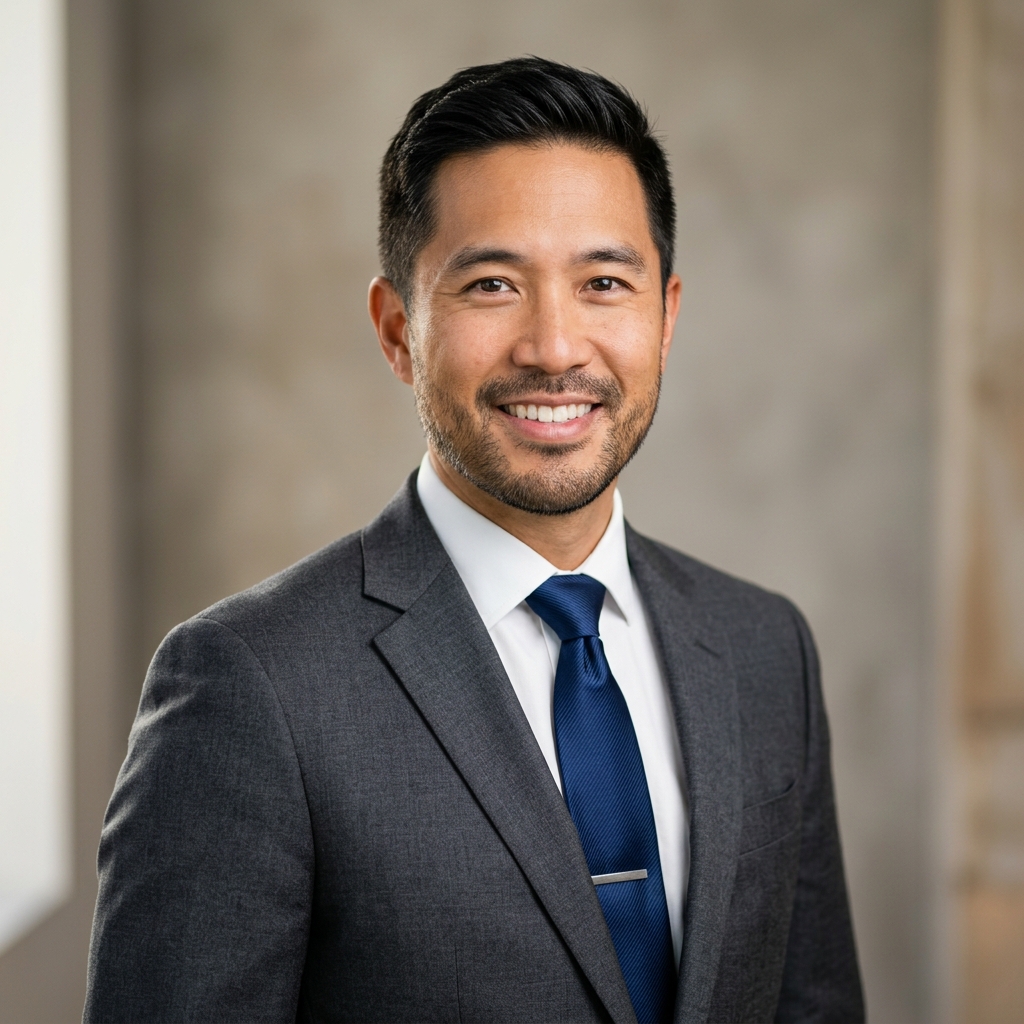
A Sudden Shift in Allegiance
Pennsylvania Senator John Fetterman made a public appearance in a pre-recorded video at the Republican National Convention in Dallas this Wednesday. The footage featured the Democrat praising President Donald Trump and Republican Senator Dave McCormick for their work regarding the American steel industry. This move places Fetterman in a rare position for a sitting Democratic senator. It comes less than eight weeks before the November 3 midterm elections. The appearance signals a clear break from his own party’s campaign messaging.
Fetterman clarified in a subsequent statement that he is not switching parties at this time. However, the video explicitly distanced him from the left-wing faction of the Democratic Party. He described himself as a moderate who rejects the label of socialism within the party. This move creates significant friction among his Democratic colleagues. Many now view his actions as a political defection that could have long-term consequences for his future in the Senate.
The Strategic Impact on Senate Politics
This video represents a victory for Donald Trump. The president has long sought to peel off prominent Democrats to build a broader coalition. For the Democratic Party, the stakes are high. They currently need to flip four Senate seats to secure a majority. The loss of a sitting senator to the opposing side, or even the perception of such a loss, complicates their electoral map significantly. If Fetterman were to move toward a formal party switch, the path to a Democratic Senate majority would narrow immediately.
Behind the scenes, the appearance was organized through his professional connection with Dave McCormick. McCormick has spent months building a rapport with Fetterman, eventually securing this joint cooperation. The two senators formed an unusual joint fundraising committee earlier this year. This arrangement is nearly unheard of for senators representing opposing political parties. Republican leaders have quietly monitored this developing relationship as Fetterman’s status with the Democratic establishment has decayed.
Growing Isolation and Future Prospects
Fetterman has faced intense backlash from his party base. His support for Israel during the ongoing conflict in Gaza stands in direct opposition to the stance held by many of his Democratic colleagues. He has consistently voted to approve weapons sales that others in his party attempted to block. Furthermore, his public alignment with Trump during the war with Iran created a permanent rift with party leadership. He even broke rank to support the nomination of Markwayne Mullin for Secretary of Homeland Security.
Data indicates he is in a difficult position regarding his home state constituents. A recent poll conducted by the New York Times, the Philadelphia Inquirer, and Siena University shows that Pennsylvania Republicans view Fetterman more favorably than they view their own colleague, Dave McCormick. Conversely, he has lost significant ground with the Democratic base. Political operatives in Pennsylvania suggest that he lacks a viable path to survive a primary challenge in 2028. Several state Democrats are already preparing to launch primary campaigns against him.
Historical Precedent and Media Scrutiny
Recent investigations have intensified the pressure on Fetterman. A Wall Street Journal report last week suggested the senator has largely disengaged from the daily administrative burdens of his office. The piece alleged that he prioritizes conservative media appearances and the issue of Israel over the core duties of his staff. Fetterman has formally disputed these findings. Despite the pushback, the report prompted public rebukes from other Pennsylvania officials, including Rep. Brendan Boyle, who labeled the senator a disgrace on social media.
This situation recalls the actions of Zell Miller in 2004. Miller, a Democratic senator from Georgia, appeared at the Republican National Convention to endorse George W. Bush after clashing with his own party over national security. Fetterman now finds himself in a similar state of political isolation. Whether he intends to seek reelection remains unconfirmed. For now, he remains in the Democratic caucus, but his alignment with the party platform has effectively ended.