
Testimony in the trial of Lindsay Clancy concluded Wednesday afternoon after 85 witnesses provided accounts in Plymouth Superior Court. Prosecutors rested their case following the testimony of forensic psychiatrist Dr. Gregory Saathoff. The trial moves to closing arguments on Thursday, at which point the jury will receive instructions on potential verdicts.
The Final Witnesses and Legal Strategy
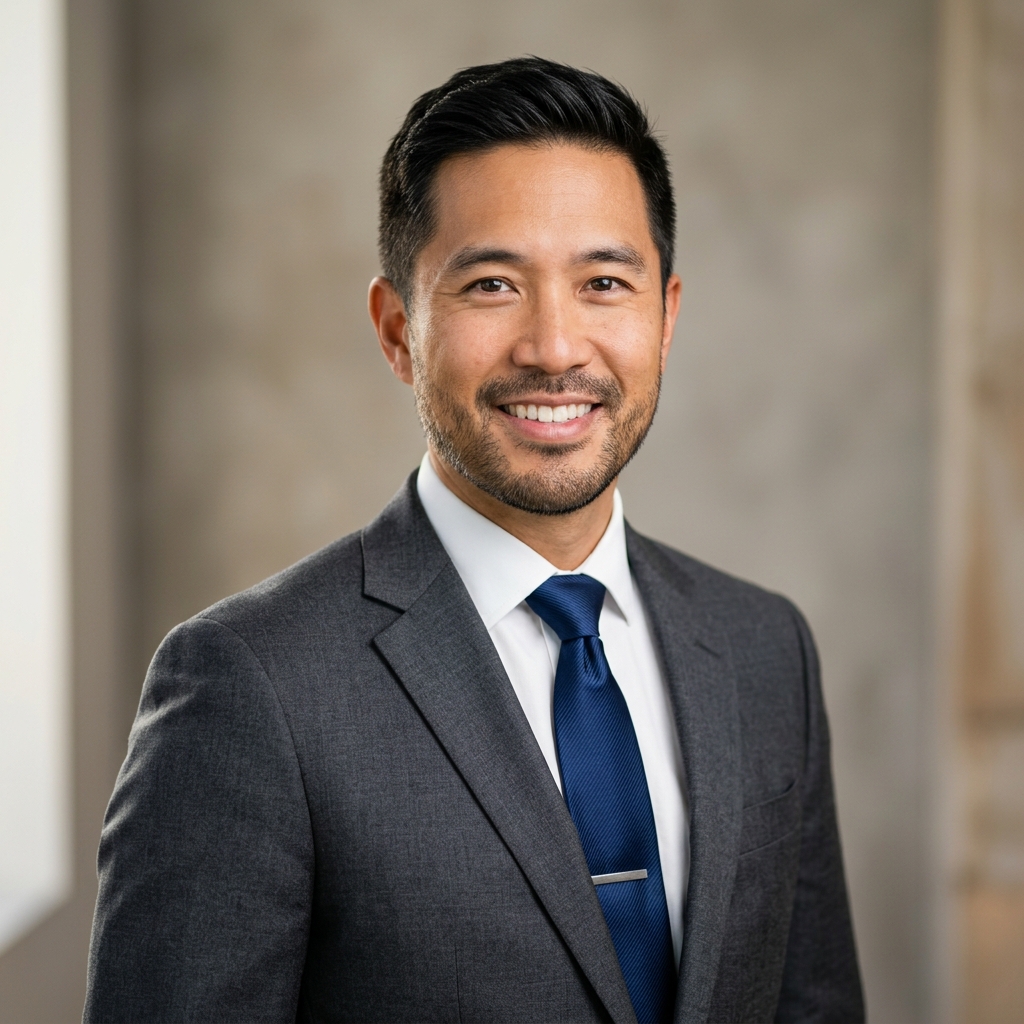
Dr. Gregory Saathoff served as the prosecution's final expert witness. A professor of emergency medicine with experience consulting for the FBI, Saathoff testified that he found inconsistencies in the narrative provided by Clancy. He stated that the voice she claimed to hear did not instruct her on specific methods, which he interpreted as evidence of personal control. Saathoff concluded that while Clancy experienced medication side effects, she maintained the ability to understand her actions as wrong. He pointed to the timing of the events, specifically the removal of her husband from the home for errands, as evidence of planning.
Defense attorney Kevin Reddington challenged Saathoff on his methodology and experience. Reddington noted that Saathoff did not interview Clancy until three years after the deaths of her children. He also questioned the expert’s focus, suggesting his recent work involved terrorism rather than postpartum conditions. When Saathoff characterized the homicidal ideation Clancy described as merely voiced, Reddington sharply disagreed. The defense argued throughout the trial that Clancy was overmedicated and suffering from severe postpartum psychosis at the time of the incident.
Verdict Options and Jury Instructions
The court held a charge conference Wednesday to finalize the instructions for the jury. Judge William Sullivan ruled that the jury will be presented with options ranging from first-degree murder to involuntary manslaughter. The panel also has the option to return a verdict of not guilty by reason of insanity. While the defense has admitted that Clancy caused the deaths of her children, they continue to argue she lacked the mental capacity to be held criminally responsible for her actions.
Judge Sullivan denied a request from the defense for a specific instruction regarding the quality of the police investigation. Known as a Bowden instruction, it would have allowed jurors to weigh the sufficiency of evidence gathering in their deliberations. Both the prosecution and the defense are allotted one hour each for their final arguments before the jury begins deliberations.
Context of the Case
Lindsay Clancy, 36, stands accused of strangling her three children in their Duxbury home on January 24, 2023. The children included 5-year-old Cora, 3-year-old Dawson, and 8-month-old Callan. The trial, which began in July 2026, has focused on the state of Clancy’s mental health during the period leading up to the incident. If convicted of first-degree murder, she faces a mandatory sentence of life in prison without the possibility of parole. Should the jury find she was not criminally responsible, she will be committed to a state psychiatric hospital.
The case has drawn significant attention due to the questions it raises about the intersection of postpartum mental health and criminal law. Medical experts have provided conflicting testimony throughout the weeks of the trial, leaving the final decision to the jury. The outcome will depend on whether the jurors believe Clancy acted with intent or was under the influence of an acute psychiatric crisis that rendered her unable to control her behavior.