
Deliberations Continue in Duxbury Case
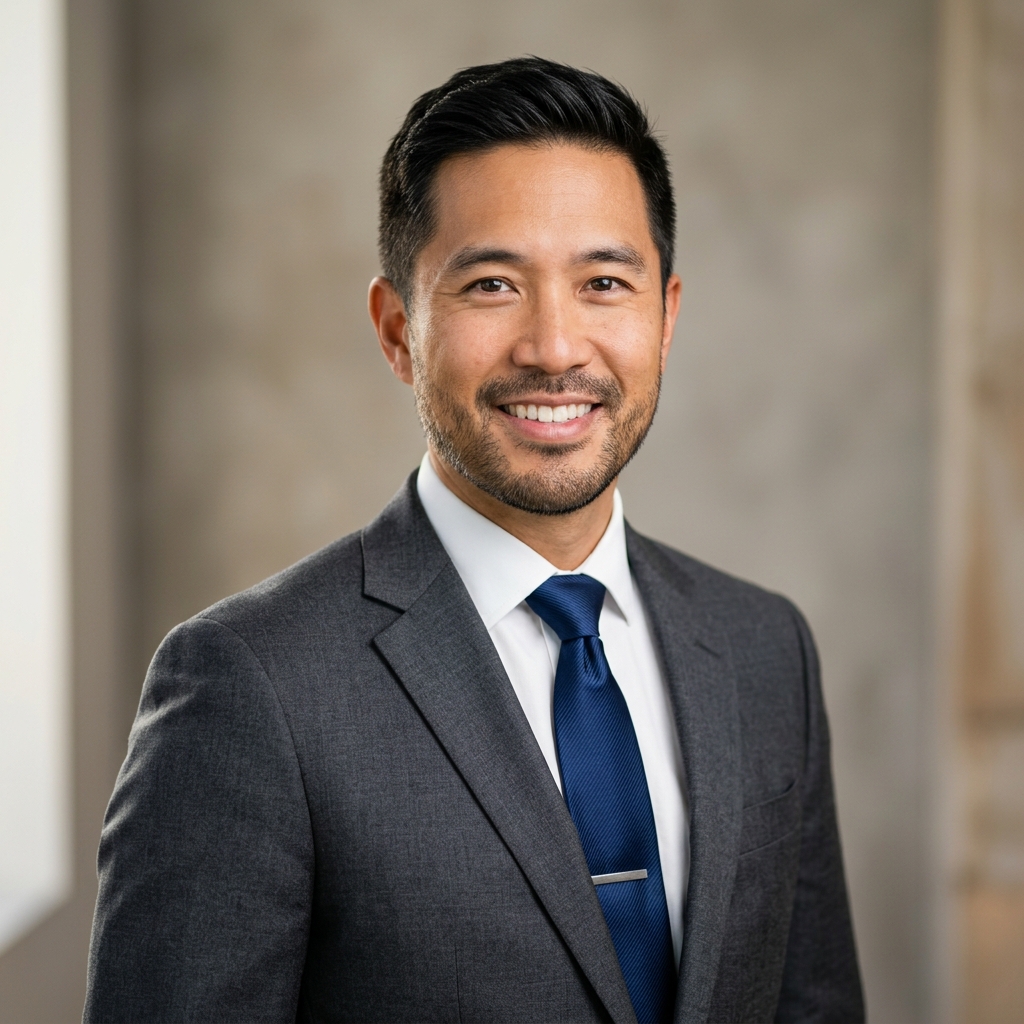
The jury tasked with deciding the fate of Lindsay Clancy entered its third full day of deliberations on Monday at the Plymouth Superior Court. Twelve jurors, consisting of nine women and three men, remain behind closed doors. They are tasked with weighing competing theories of intent and mental health following the 2023 deaths of three children. Defense attorney Kevin Reddington stood outside the courthouse Monday morning. He described his current state as typical and nervous. The legal team and the public now await a verdict in a case that has dominated regional news for weeks.
Reddington spent time Monday addressing the media pressure surrounding the proceedings. He singled out television commentators for their treatment of the evidence and the descriptions of Clancy’s medical state. The attorney expressed frustration regarding how national pundits have handled the specific details of the defendant's alleged symptoms. He argued that the public discussion has mischaracterized the facts presented during the trial. His comments highlighted the tension between the courtroom process and the broader public discourse occurring outside the facility.
The Legal Arguments Presented to the Jury
The central conflict of the trial rests on the question of criminal responsibility. Prosecutors in the Commonwealth of Massachusetts maintain that Clancy acted with clear intent on Jan. 24, 2023. They argue that she planned the actions in her Duxbury home while her husband was performing errands. The state contends that her behavior during that window does not align with the legal definition of psychosis. A conviction for first-degree murder carries a mandatory sentence of life in prison. The prosecution has focused its case on demonstrating that the defendant was aware of her surroundings and her actions at the time of the killings.
Conversely, the defense team maintains that their client suffered from postpartum psychosis. They claim she was under the control of auditory hallucinations during the event. Witnesses presented during the trial attempted to establish that this rare mental health crisis rendered her unable to conform her conduct to the law. If the jury finds her not guilty by reason of lack of criminal responsibility, the court process will shift. Judge William Sullivan noted that such a verdict would likely lead to a petition to commit the defendant to a state-run mental health facility. The jury also maintains the legal option to consider second-degree murder or manslaughter charges.
The Weight of Evidence and Procedural Status
Jurors have spent significant time reviewing the testimony of more than 80 witnesses who appeared throughout the trial. The legal proceedings reached their final phase last week after closing arguments from both the Commonwealth and the defense. Deliberations began Thursday afternoon. On Friday, the jury submitted a request to review specific physical evidence including pill bottles and a knife. Reddington confirmed Monday that the jury did not ultimately view these items. He characterized the request as a sign of a diligent group rather than a specific indicator of the verdict trajectory.
Clancy, 36, sat in the courtroom Monday wearing a dark green blouse. Her family members occupied rows behind her throughout the morning. The defendant survived a suicide attempt following the incident, which resulted in paralysis from the waist down. Reddington declined to comment on his client’s specific emotional state during Monday’s brief media encounter. He compared the unpredictability of the jury’s timeline to the outcome of professional sports events, noting that no one can forecast the length of their debate. The community and the families involved wait for the final resolution of a case that has spanned more than three years since the tragedy occurred.