
The Rise of Synthetic Late-Night Hosts
Late-night television hosts like Jimmy Kimmel and Jon Stewart find their likenesses increasingly hijacked by generative artificial intelligence. These digital simulations appear across social media platforms, often portraying the hosts commenting on sensitive political topics or recent news events. While the technology required to create these deepfakes is becoming more accessible, the specific appeal of late-night personalities creates a unique problem for public trust.
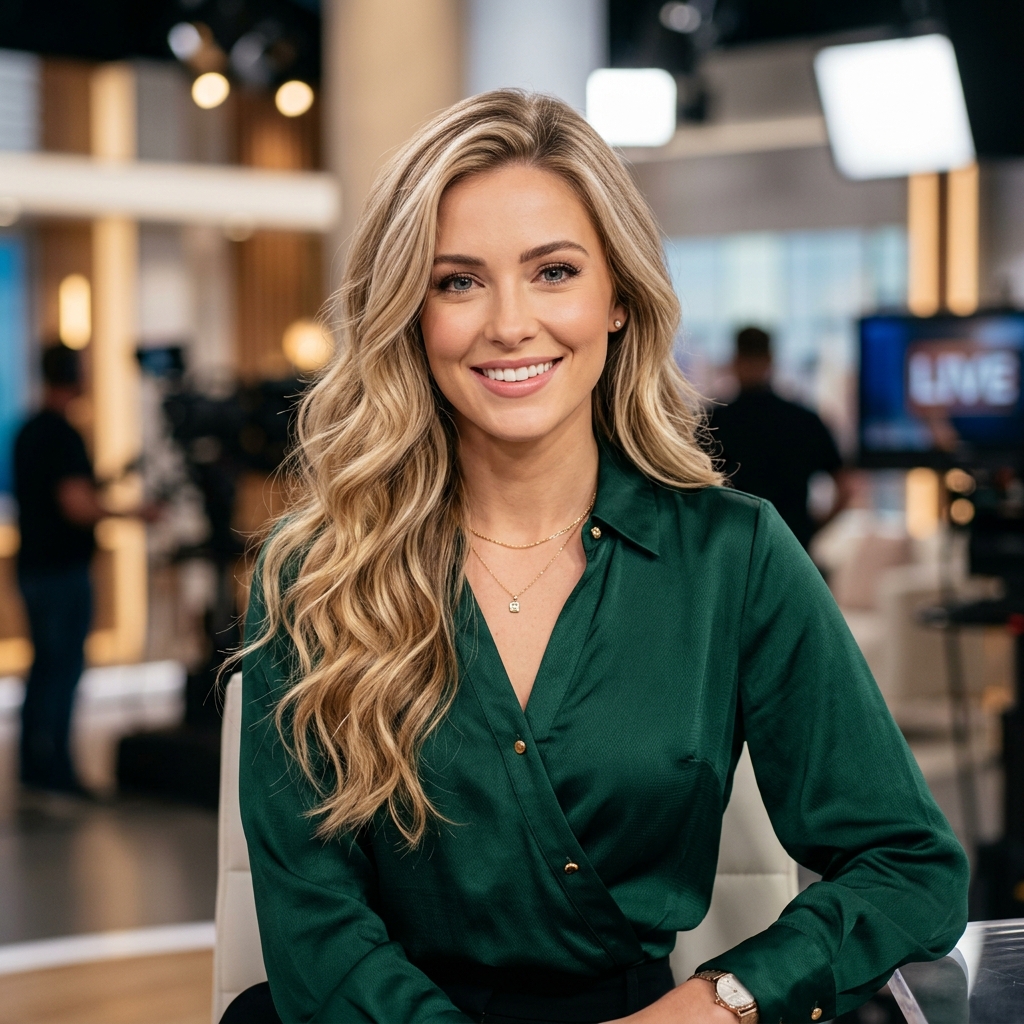
Jed Rosenzweig, editor of the publication LateNighter, tracks this trend and notes that these clips rely on established patterns to deceive viewers. Audiences recognize the format of a host sitting at a desk or standing before a camera, which gives these fake videos a sense of authenticity. Because late-night clips frequently circulate on social media, a synthetic video simply blends into the existing stream of legitimate content. The familiarity of the visual context often prevents viewers from questioning the source or the technical accuracy of the clip.
Why These Deepfakes Succeed
Technical ease is a primary factor in the proliferation of these videos. Dartmouth College professor Hany Farid explains that late-night hosts are subjects for AI because they usually remain stationary in a single frame. Creators need only a short audio sample and a static image to animate a believable monologue. This process requires minimal computational power compared to complex action sequences or multi-character scenes.
Beyond technical simplicity, these videos weaponize the parasocial relationship between viewers and media figures. Late-night television remains a significant source of political commentary for many Americans. When a deepfake uses a trusted host to voice extreme opinions or misinformation, viewers are more likely to accept the message as valid. This deception poses a challenge for platforms that attempt to label or remove synthetic media, especially when the content gains traction before moderators intervene.
Legal Hurdles and Future Oversight
Legal frameworks currently struggle to keep pace with the speed of AI generation. Intellectual property litigator Louis Tompros points out that existing copyright laws protect creative works rather than a person’s likeness or voice. While specific state laws in California and Tennessee offer protections against unauthorized voice and video cloning, there is no blanket federal statute that criminalizes the creation of non-sexual deepfakes. This gap allows many misleading clips to remain active on sites like YouTube and TikTok for weeks, gathering hundreds of thousands of views despite their fabricated nature.
Platform policies require creators to disclose AI-generated content, yet the volume of uploads makes enforcement nearly impossible. Companies like Google and Meta claim to use detection systems to catch unauthorized simulations, but these tools often fail to flag high-quality deepfakes. The result is a cycle where misinformation persists, forcing the industry to decide how it will protect public figures and the integrity of discourse. Moving forward, the effectiveness of these platforms will depend on their ability to stop synthetic content before it reaches a wide audience.