
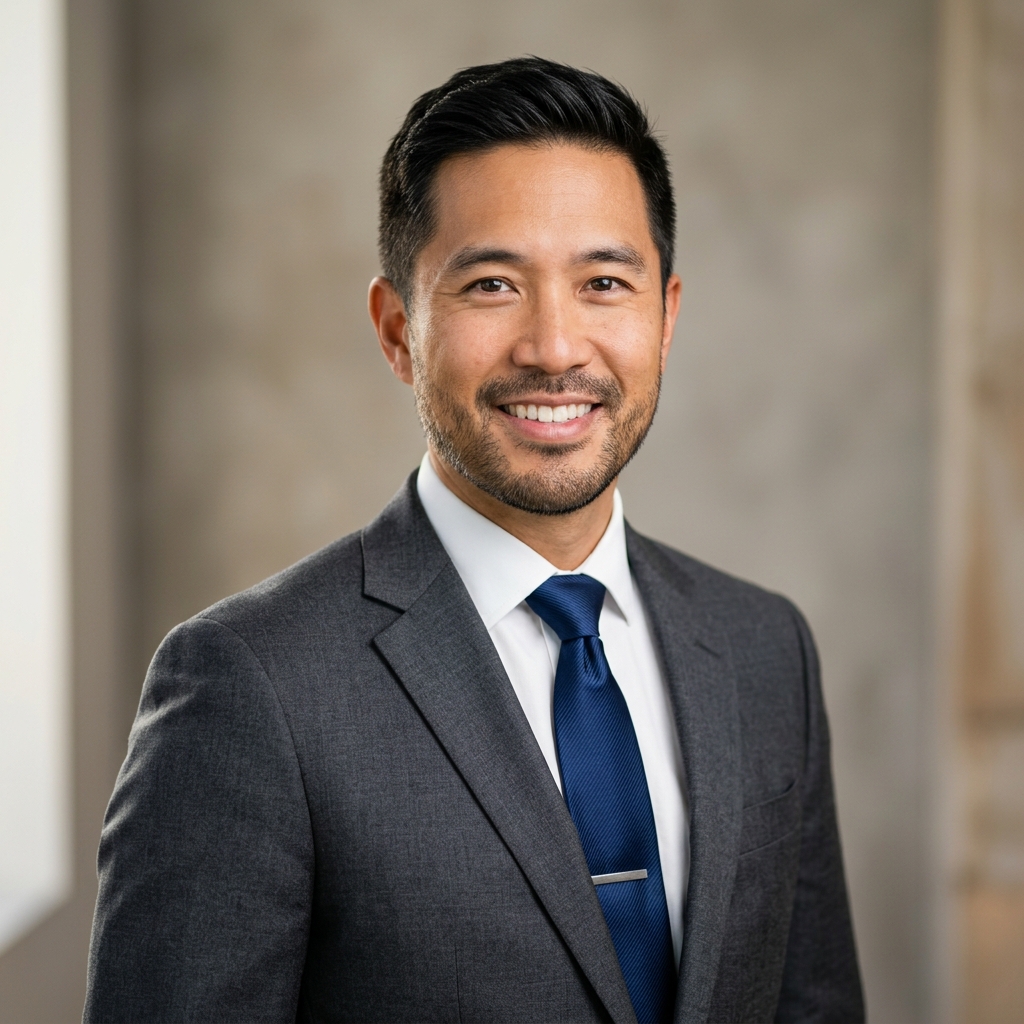
New Mexico Attorney General Raúl Torrez has filed a federal lawsuit against the U.S. Department of Justice. The state claims the DOJ is blocking critical information regarding sex crimes linked to Jeffrey Epstein’s former property in New Mexico. Torrez argues that federal authorities are preventing the state from holding potential co-conspirators accountable, even though the state remains one of the few jurisdictions with the legal window to pursue these cases.
At the center of this dispute is Acting Attorney General Todd Blanche. According to the filing, the state has submitted 10 formal requests for investigative materials that have been ignored or denied. Torrez contends that the DOJ is using victim privacy as a shield to withhold documents, an argument that some survivors have publicly rejected. These survivors stated that they support the release of these records, arguing that the government is obstructing justice rather than protecting those impacted.
In addition to the lawsuit, the New Mexico attorney general’s office released a report documenting how federal agencies prioritized investigations in New York, Florida, and the Virgin Islands. The report asserts that these federal efforts left crimes committed at the Zorro Ranch unexamined for years. State officials believe that hidden files could reveal evidence of individuals who helped facilitate abuse, similar to the role Ghislaine Maxwell played in other regions.
For its part, the Justice Department maintains that it is legally barred from releasing victim-identifying information without specific justification. They claim the agency remains willing to assist New Mexico within the boundaries of existing court orders. The property itself, Zorro Ranch, was sold in 2023 and is no longer under the control of Epstein's estate.
This legal standoff highlights a growing divide between state and federal investigative priorities regarding the Epstein case. While the federal government points to the Epstein Files Transparency Act as evidence of its commitment to disclosure, state officials like Torrez claim the actual output has been heavily redacted and lacks the context necessary for real accountability. The outcome of this federal court case in Washington, D.C. will determine if New Mexico gains access to the evidence required to move forward with its criminal investigation.