
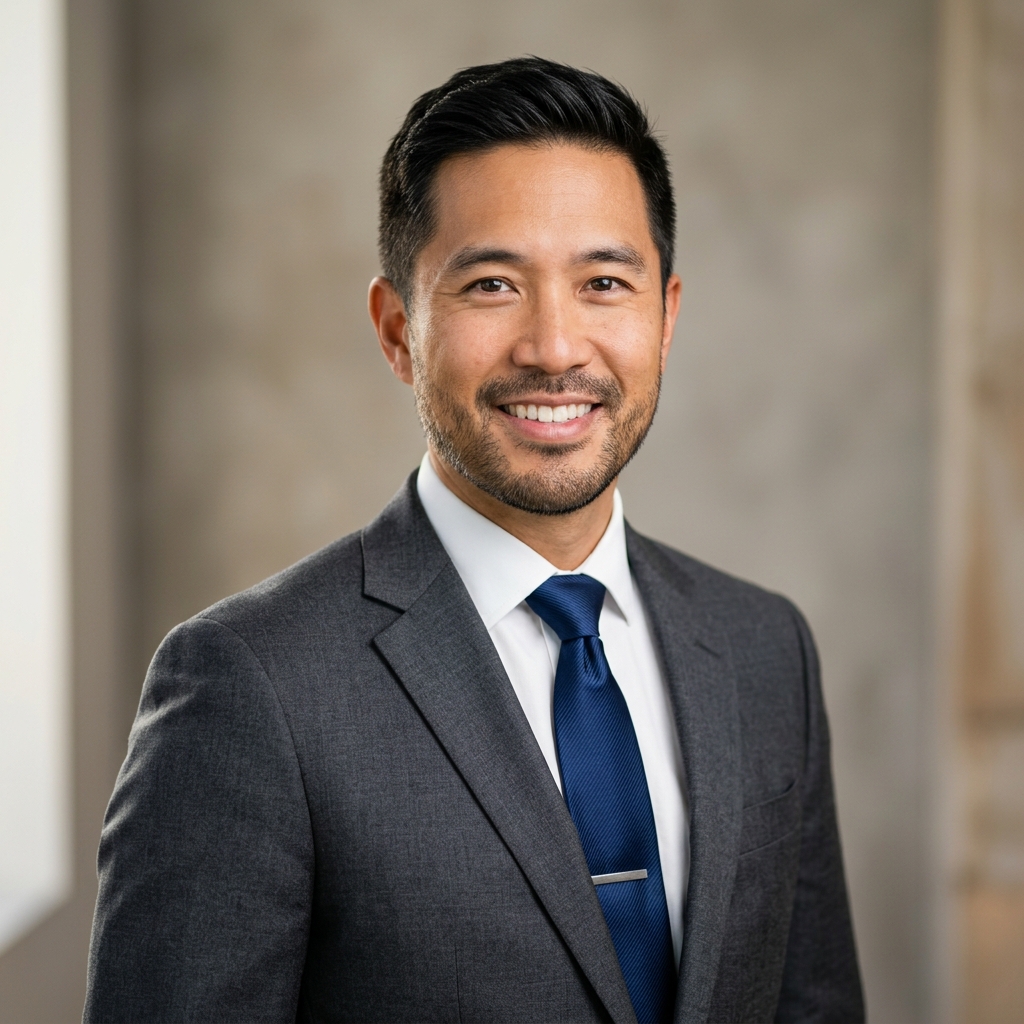
Leadership Change at the Smithsonian
Lonnie G. Bunch III announced he will step down as the head of the Smithsonian Institution by the end of this year. This departure comes after a seven-year tenure leading the world-renowned museum and research complex. Bunch holds the distinction of being the first historian and the first Black person to serve as the organization's secretary.
His decision follows persistent public and private friction with the Trump administration. The White House has repeatedly targeted the institution, branding its programming as radical and divisive. Despite this, a person familiar with the inner workings of the Smithsonian noted there was no pressure from the Board of Regents for him to vacate the position. Bunch himself described his departure as being driven by mixed emotions after a nearly four-decade career with the museum system.
Tensions with the White House
The Smithsonian has faced direct administrative challenges throughout the current presidential term. In March 2025, President Trump issued an executive order directing Vice President JD Vance to identify and strip away perceived anti-American ideology from museum exhibits. The administration has criticized the Smithsonian for allegedly focusing too heavily on historical failures, such as slavery, while neglecting themes of national success.
Interior Secretary Doug Burgum recently signaled that federal support could be cut, arguing that the institution no longer presents an honest or unifying vision of America’s past. These criticisms were echoed in a July report from the White House Domestic Policy Council. The report labeled current leadership as activists who cannot be trusted with the nation's historical narrative. Bunch has publicly countered such assertions, stating that the strength of the nation comes from confronting its history rather than hiding from it.
Implications for the Institution
The timing of this transition is delicate for the Smithsonian. The institution operates as a massive enterprise encompassing dozens of museums, the National Zoo, and various research centers. Chief Justice John Roberts, who functions as the chancellor of the Smithsonian, lauded Bunch’s commitment to excellence in his public remarks. The Board of Regents has initiated a search for new leadership and is actively reviewing internal candidates to ensure stability.
Bunch has agreed to remain in his post for three to four months to oversee the transition. This bridge period is intended to protect the institution from administrative vacuum while the search committee conducts its work. The broader significance of this departure rests on the future independence of the Smithsonian. As the board moves to replace a long-term leader, the tension between political mandates and the mission of historical inquiry remains a defining issue for the organization. Observers are watching to see if the next secretary can navigate these political headwinds without compromising the institution's commitment to broad historical study.