
Sen. Warner says he won't vote to confirm Jay Clayton as DNI
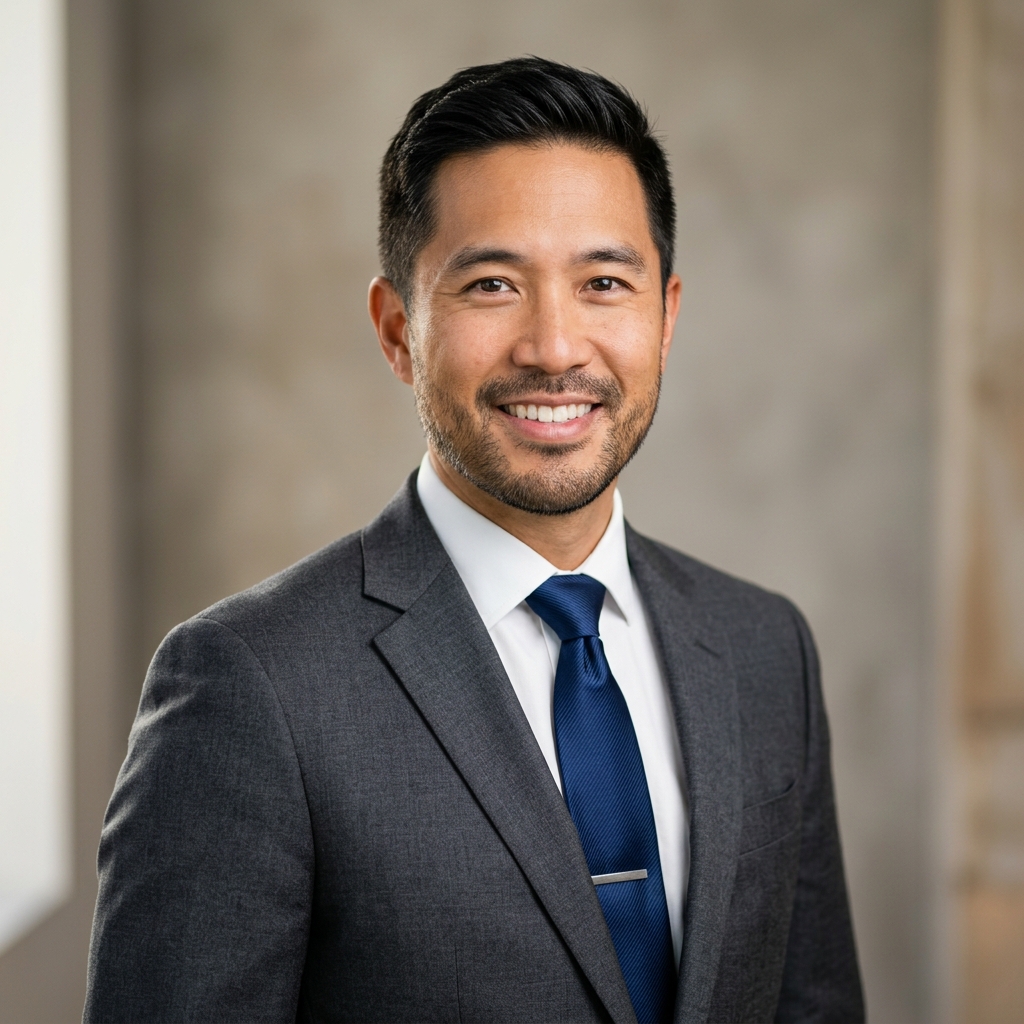
Senator Mark Warner, the vice chair of the Senate Intelligence Committee, stated on Sunday that he will oppose the confirmation of Jay Clayton as Director of National Intelligence. Warner cited Clayton's recent testimony before the committee, where the nominee failed to state clearly who won the 2020 presidential election. During his confirmation hearing, Clayton only acknowledged that Joe Biden was certified as the winner, a stance that drew significant criticism from Democratic members of the panel.
Despite Warner's opposition, he expects Clayton to secure the position. Because Republicans maintain control of the Senate, they possess the necessary votes to confirm Clayton without support from the Democratic caucus. Warner noted his long personal history with the nominee and expressed a hope that the version of Clayton he has known professionally will show through once in office.
The discussion also touched upon recent claims made by President Donald Trump regarding foreign interference in U.S. elections. During a national address, the President accused China of a massive data compromise involving voter information. Members of the Senate Intelligence Committee, including Warner, maintain that the documents released by the administration do not support claims of a stolen election and largely repeat known information regarding foreign actors.
Warner pushed back against the focus on China as the primary threat to domestic election integrity. He identified Russia and Iran as more significant concerns regarding active interference efforts. While he acknowledged that China possesses technical capabilities, he argued their primary goal is to diminish public confidence in American institutions rather than backing specific candidates.
Finally, the conversation moved to the SAVE America Act, a proposed voting bill championed by the administration. The legislation seeks to implement strict photo ID and citizenship proof requirements for registration. While Democrats remain united against the bill, Warner signaled potential interest in a narrower, uniform ID standard, provided it does not function as a method of voter disenfranchisement.